If the end is inevitable, we might as well talk about it openly. Welcome to a death cafe event, where strangers meet to share dreams, fears and bickies.
By Emma Bishop
Emma Bishop is a freelance writer and creative strategist based in Naarm/Melbourne | IG:@emma_marie_bishop
Why do the deceased visit us in our dreams? Can altered consciousness help you process grief? How do I become less scared of dying? Four weeks after the birth of my first child, I find myself musing about my fear of mortality at a death cafe. I certainly did not expect to spend my first post-partum, solo outing pondering these philosophical questions in a room full of strangers. But looking after this tiny new human has made me reflect on how fragile life is, and I’m keen to sit more comfortably with it.
Inside an unassuming brick building on Melbourne’s Flinders Lane sits the Theosophical Society, home to one of 1000 active death cafes in Australia. The name might conjure a spooky purgatory, like the waiting room for the afterlife in Beetlejuice (1988). But there are no ghosts here; the reality is far less macabre.
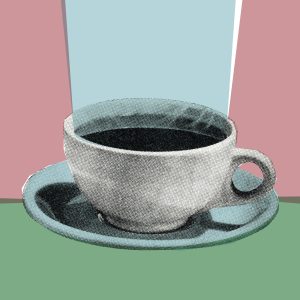
Every fortnight, ten or so strangers sit around a table in this dimly lit kitchen with cups of tea and a bowl of biscuits. They’re here to discuss death, dying and how to get more out of living. There’s no real structure to the session. It’s a space for open discussion – a choose-your-own-adventure conversation about mortality.
At the centre of it all is facilitator and death doula Cosette Paneque, who’s firm on the event’s format. “This isn’t a grief therapy session,” she says. “It’s a safe enough, brave enough space to discuss absolutely anything.” Later, she’ll tell me that I’ve chosen to attend an especially cerebral sort of death cafe: “Here, you get people who are really interested in theosophy and the spiritual side of things. Other cafes often focus on admin and paperwork.”
We kick off our conversation with introductions. A woman with heavy eyeliner interjects to ask for our star signs, before delivering a deadpan astrological reading. (I wonder what being a Leo means for me in the afterlife.) Surprisingly, I’m brave enough to share my fear of kicking the bucket, and it’s clear from the introductions that my cafe companions are more comfortable with dying than I am. As one woman with a big beaded necklace puts it, “Death is by my side as my loyal guide.” Hopefully I’ll walk away with a newfound respect for the reaper.
The discussion takes twists and turns. A middle-aged man with a Mustang on his T-shirt examines the meaning of stoicism. We collectively interpret a mourning woman’s nightmares and palm-reading predictions. An intellectual unpacks feelings of freedom in terminality. We discuss the unusual tradition of professional wailers, people who are paid to attend strangers’ funerals and cry on demand. A woman eats a bowl of noodles in the background of the conversation, passionately interjecting when the room turns to religion. One young man shares his experience of ego death via magic mushrooms, while another reflects on a very real death in his family.
We’re a motley crew of mortal conversationalists, united only by the universality of death. Participants poetically quote pop culture and philosophy in their discussion: from Adele to Aristotle and the video game League of Legends. Death, I’m reminded, is all around us. And discussing it isn’t always morbid; it can be motivating, even life-affirming.
I’m struck by how open and non-judgemental the group is. No two people see eye to eye, but the atmosphere in the room is surprisingly sanguine. One older man shares a dream he’d had recently: he was told he had just three months to live. “You embrace the universe in profound ways when you see death,” he reports.
Death cafes, I discover, aren’t about finding answers or achieving acceptance. They’re the first step toward feeling more comfortable talking about something Western society has long made taboo, and there are no other spaces quite like them.
“Our relationship with death is all over the place,” says Cosette. “But, if you come to a cafe, you have an interest in discussing it. Even though people’s perspectives and experiences are often entirely unique, there’s power in finding community.”
Cosette tells me that she has “always been comfortable” with her own mortality: “That’s why I became a death doula and decided to work in spiritual care. Feeling everything is so much better when you’ve got people around you.”
As the conversation turns to sensory deprivation tanks and taking psychedelics in the Amazon, Cosette politely wraps things up. We’re an hour and a half closer to death, and the discussion has reached its natural conclusion.
Has my first death cafe rid me of my fear of shuffling off this mortal coil? No. But, little by little, I’ve become more comfortable with talking about its inevitability. As one well-dressed woman around the table puts it: “Talking about death is rich material for living.” I’m beginning to think she might be right.
VISIT DEATHCAFE.COM TO FIND AN EVENT NEAR YOU.
Published in ed#760
30 Years.
Countless Stories.
One Big Issue.
Every story matters — join us and support more life-changing opportunities in our 30th year. Give today.